

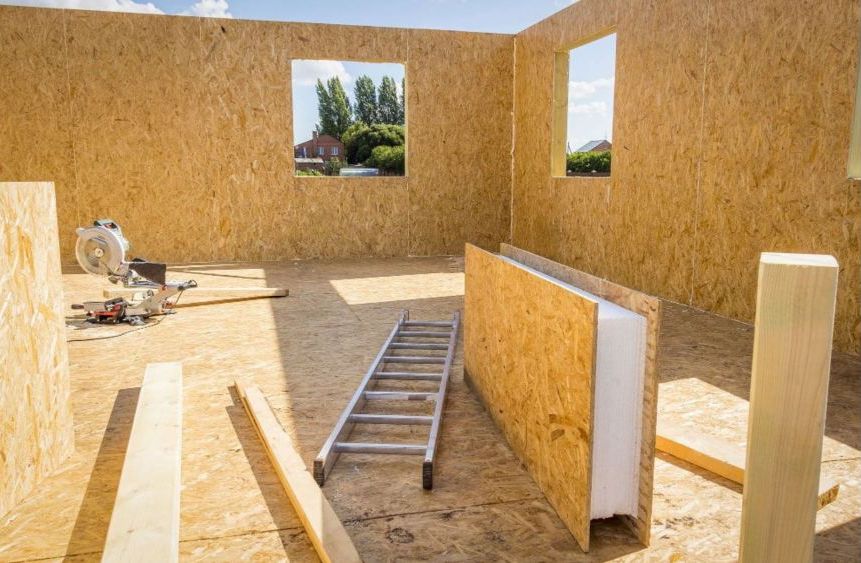
The construction industry is undergoing a renaissance, driven by innovative technologies that prioritize both efficiency and environmental responsibility. As we venture deeper into 2024, several groundbreaking methods are setting the stage for a greener future in both commercial and residential constructions. This article highlights three of these transformative technologies.
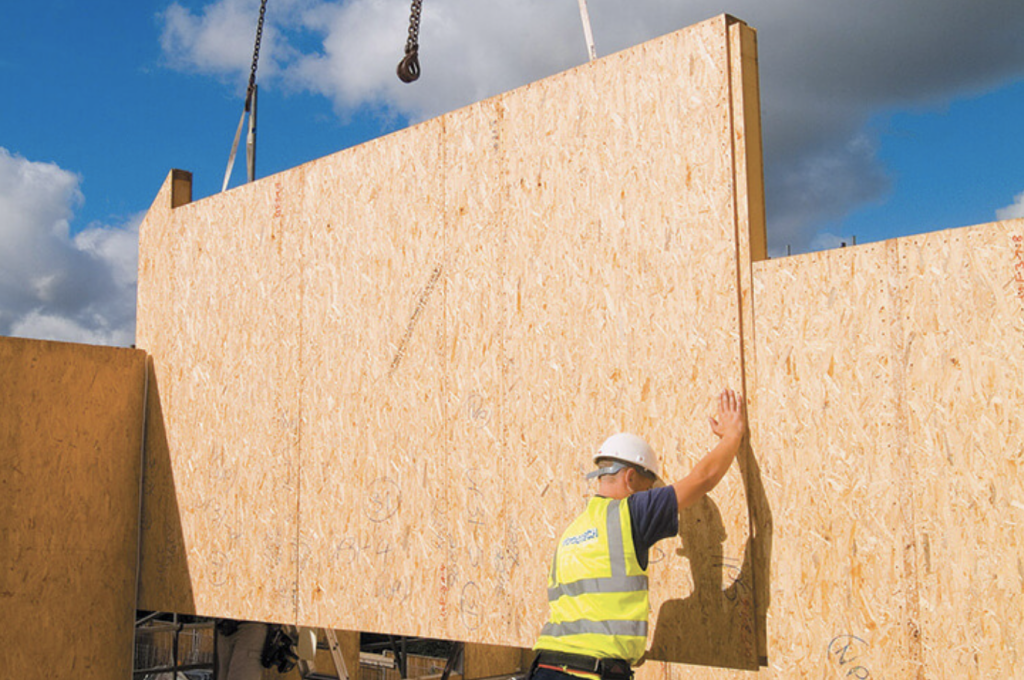
1. Panelized Building Using SIPs (Structural Insulated Panels)
The Basics of SIPs: Structural Insulated Panels, commonly known as SIPs, are high-performance building panels used in floors, walls, and roofs. Comprising an insulating foam core sandwiched between two structural facings, SIPs offer a robust and energy-efficient building solution.
Benefits in Construction: SIPs streamline the construction process, allowing for quicker and more precise builds. Their inherent insulating properties mean enhanced energy efficiency, leading to significant reductions in heating and cooling costs. Moreover, the tight seal they provide minimizes air infiltration, ensuring a comfortable indoor environment.
Versatility Across Projects: Whether it’s a sprawling commercial complex or a cozy residential home, SIPs offer scalability and adaptability, making them a preferred choice for various construction needs.
2. Prefabrication: The Future of Efficient Construction
Understanding Prefabrication: Prefabrication involves assembling parts of a structure in a manufacturing site and then transporting them to the construction site for final assembly. This method stands in contrast to traditional construction, where everything is built onsite.
Advantages of Going Prefab: Prefabrication drastically reduces construction time, minimizes waste, and ensures a higher level of precision. Given that most of the construction happens off-site, there’s less disruption to the local environment. Additionally, it allows for bulk purchasing of materials, leading to cost savings.
Tailored for Modern Needs: With the increasing demand for sustainable and quickly deployable structures, prefabrication meets the needs of modern urbanization, offering solutions that are both eco-friendly and time-efficient.
3. Embracing New Technologies for Sustainable Building
Smart Building Systems: The integration of IoT (Internet of Things) in construction means buildings that can monitor their energy consumption, optimize heating and cooling, and even manage waste more efficiently.
Green Materials: Innovations in material science have led to the creation of eco-friendly alternatives, from low-carbon concrete to recycled insulation materials, reducing the environmental footprint of constructions.
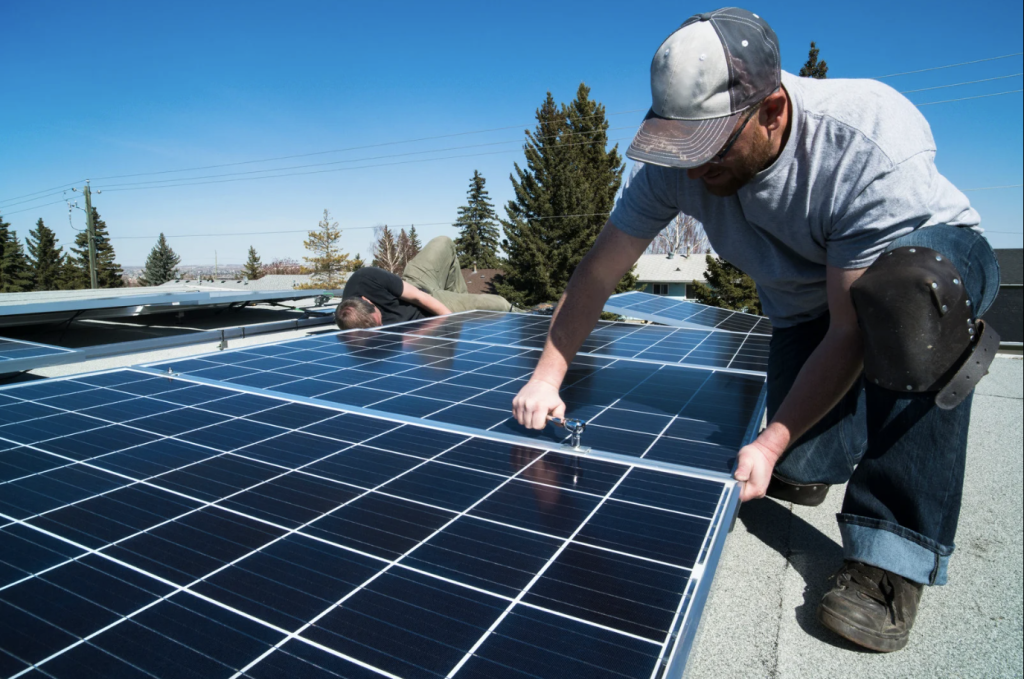
Solar Integration: With advancements in solar technology, buildings are now being designed with integrated solar panels, not just on rooftops but also on facades, allowing for a more significant generation of renewable energy.
Conclusion: Terrota’s Vision for Green Building
In the ever-evolving landscape of construction, Terrota remains committed to harnessing the latest technologies for sustainable building. From embracing SIPs to championing prefabrication, our projects reflect a fusion of innovation and eco-consciousness. As we navigate 2024 and beyond, Terrota stands as a testament to the potential of technology to reshape and redefine green construction.

